Please make a Detailed Introduction to Folk Costumes of Dali
I. Bai (白族) Costumes — The Core Tradition
1. Women’s Traditional Dress
Basic Structure
A complete Bai women’s outfit typically includes:
White or light-colored blouse
Sleeveless embroidered vest or jacket
Long pleated skirt or trousers
Decorative embroidered apron
Distinctive headwear
The aesthetic emphasizes clean lines, light tones, and delicate ornamentation, contrasting with the more densely decorated highland minority costumes of other regions.
2. The Famous Bai Headwear — “Wind, Flower, Snow, Moon”
One of the most iconic elements of Dali costume is the Bai women’s headpiece, often associated with the poetic phrase:
风花雪月 (Wind, Flower, Snow, Moon)
These four elements symbolize Dali’s natural scenery:
Wind → Xiaguan wind
Flower → Shangguan flowers
Snow → Cangshan snow
Moon → Erhai moon
Structure of the Headpiece
White base cloth
Red tassel ornaments
Embroidered side panels
Shaped folds representing Cangshan’s peaks
Young unmarried women often wear more elaborate versions; married women wear simpler styles.
This headwear visually encodes local geography into clothing.
3. Bai Color Philosophy
White is dominant because:
“Bai” historically associates with the color white
Symbolizes purity and brightness
Reflects plateau sunlight
Harmonizes with Cangshan’s snowy imagery
Common complementary colors:
Sky blue
Emerald green
Soft pink
Red accents
The overall palette is fresh rather than heavy.
4. Embroidery & Craftsmanship
Bai embroidery is:
Fine and restrained
Floral and nature-themed
Executed in satin stitch and flat embroidery
Often concentrated on collars, cuffs, aprons
Popular motifs include:
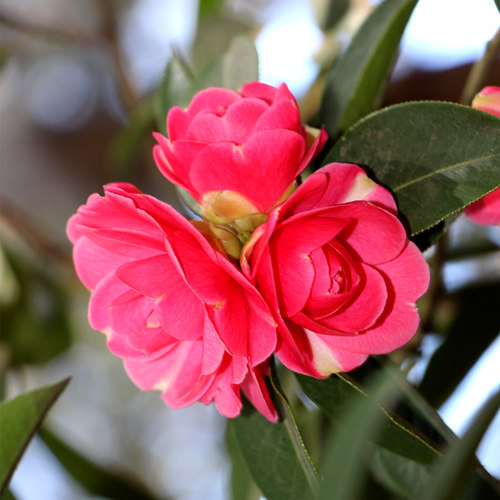
Camellia (Dali’s symbolic flower)
Butterflies
Pomegranates
Auspicious clouds
Compared to Miao embroidery, Bai work is lighter and more spacious.
5. Bai Men’s Traditional Dress
Men’s attire is more subdued:
White inner shirt
Dark vest or long robe
Loose trousers
Headcloth (historically)
In rural areas, older men may still wear traditional jackets during festivals.
II. Yi (彝族) Costumes in Dali
Yi communities in mountainous counties (like Nanjian and Weishan areas) have distinct dress traditions.
Characteristics
Dark indigo or black base garments
Colorful embroidered cuffs
Pleated skirts (women)
Embroidered shawls
Headwraps indicating marital status
Yi costumes are more highland-oriented and heavier than Bai dress.
III. Hui (回族) Influence
In Weishan and other historical trade towns:
Hui men wear white skullcaps
Women wear modest long garments
Islamic cultural elements influence dress
However, Hui clothing is less visually elaborate than Bai attire.
IV. Materials & Techniques
Fabrics
Cotton
Silk (for formal occasions)
Handwoven cloth
Brocade panels
Techniques
Embroidery
Appliqué
Pleating
Silver ornamentation (limited compared to Miao)
Dali historically was part of Tea Horse Road trade routes, which introduced textile influences.
V. Climate Adaptation
Dali’s plateau climate (cool mornings, warm days) shaped clothing:
Layered garments
Sleeveless vests over long sleeves
Moderate thickness fabrics
Aprons for practical agricultural use
VI. Festival & Wedding Costumes
Traditional dress is most visible during:
March Street Festival (三月街)
Torch Festival (Yi communities)
Weddings
Temple fairs
Folk song competitions
Wedding attire is often more richly embroidered and includes elaborate headpieces.
VII. Social Meaning
Costume communicates:
Age and marital status
Ethnic identity
Village origin
Economic status
Festival versus daily use
Young women historically displayed embroidery skill as a measure of dil
Guide
Amazing Balagezong Grand Canyon
6,2,2021 0
Pu’er Profile
4,5,2016 0