Detailed Introduction to Folk Costumes of Xishuangbanna
1. Geographic & Cultural Context
Xishuangbanna lies in:
The Mekong (Lancang) River basin
Tropical monsoon climate zone
A Theravada Buddhist cultural sphere
Clothing reflects:
Hot and humid conditions
Close cultural ties to Thailand, Laos, and Myanmar
Strong ritual and temple traditions
River-valley agricultural lifestyle
I. Dai (傣族) Costumes — The Core Identity
The Dai are the dominant ethnic group and define the visual identity of Xishuangbanna.
1. Women’s Daily Attire
Structure
Fitted short blouse (often pastel or bright colored)
Long tubular skirt (筒裙) reaching ankles
Light shawl
Hair worn in a high bun
Key Features
Use of silk and satin fabrics
Clean tailoring emphasizing slender silhouette
Soft tones: pale green, pink, white, lavender
Horizontal decorative bands at the skirt hem
Unlike highland minorities, Dai clothing is elegant and minimalist rather than heavily embroidered.
2. Dai Festival & Dance Costume
Most famous during:
Water Splashing Festival (泼水节)
Peacock dance performances
Characteristics
Bright silk blouses
Gold-thread trim
Flowing shoulder scarves
Jewelry inspired by Buddhist motifs
The peacock dance costume features elongated sleeves and decorative elements evoking feathers.
3. Men’s Dai Attire
Collarless short jacket
Loose trousers
Headcloth (historically common)
Simple cotton or silk materials
Men’s dress is understated compared to women’s attire.
II. Hani (哈尼族) Costumes
Hani communities in Xishuangbanna live mainly in mountainous zones.
1. Women’s Costume
Indigo-dyed jacket
Pleated skirt or trousers
Heavy silver ornaments
Decorative chest panels
Visual Traits
Dense embroidery
Geometric patterns
Strong red, yellow, and white contrasts
Elaborate headgear in some subgroups
Hani dress contrasts with Dai elegance by being more texturally rich and highland-oriented.
III. Bulang (布朗族) Costumes
Bulang people are closely associated with Pu’er tea cultivation.
Women’s Dress
Dark indigo long jackets
Red-bordered collars
Embroidered chest bands
Headcloth wraps
Bulang garments are functional and durable, reflecting tea-mountain life.
IV. Jinuo (基诺族) Costumes
The Jinuo are one of China’s smallest officially recognized ethnic groups and primarily reside in Xishuangbanna.
Women’s Attire
Short indigo jacket
Colorful chest decoration
Skirt or trousers
Silver necklaces
Jinuo embroidery is comparatively simple but highly symbolic.
V. Materials & Craft Techniques
1. Fabrics
Silk (Dai)
Cotton
Indigo-dyed cloth
Handwoven textiles
2. Decorative Techniques
Brocade weaving
Embroidery (cross-stitch and satin stitch)
Silver crafting
Appliqué
Beading
Unlike northern Yunnan, batik is less dominant here.
VI. Religious & Cultural Influence
Theravada Buddhism deeply influences Dai attire:
Modesty and elegance in silhouette
Temple festival garments
White garments for religious observances
Gold accents symbolizing merit and prosperity
Temple ceremonies often involve white shawls and formal silk wear.
VII. Climate Adaptation
Because of tropical heat:
Lightweight fabrics dominate
Sleeveless or short-sleeved blouses are common
Open-neck designs enhance ventilation
Bright colors reflect sunlight
This differentiates Xishuangbanna sharply from highland Yunnan regions.
VIII. Color Symbolism
Green → fertility and peacock imagery
White → purity and Buddhism
Gold → merit and prosperity
Indigo → tradition and daily labor
Red → vitality and celebration
IX. Occasions for Wearing Traditional Dress
Traditional attire appears during:
Water Splashing Festival
Temple ceremonies
Weddings
Guide
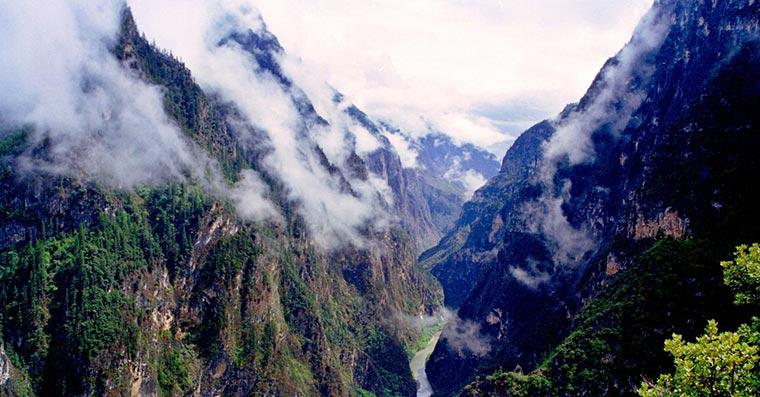
Amazing Balagezong Grand Canyon
6,2,2021 0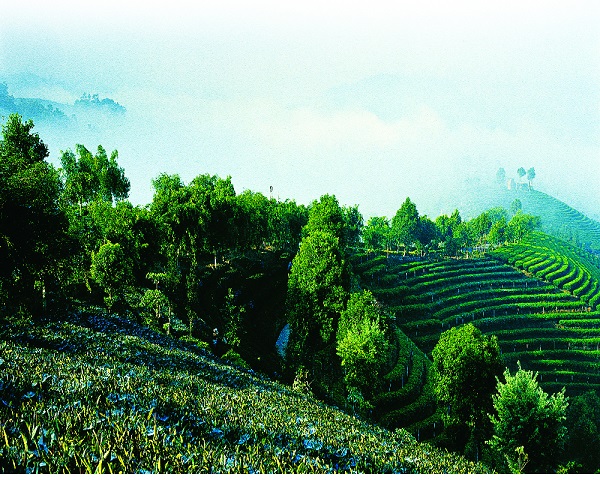
Pu’er Profile
4,5,2016 0