Detailed Introduction to Folk Costumes of Wenshan
1. Cultural & Geographic Context
Wenshan’s landscape consists of:
Karst mountains and limestone valleys
Terraced agriculture and rice paddies
Cross-border trade routes with Guangxi and northern Vietnam
These factors influenced clothing design:
Durable, breathable fabrics for humid climates
Indigo-dyed cotton for work garments
Decorative embroidery marking clan and subgroup identity
Bright ceremonial attire for festivals and weddings
2. Zhuang (壮族) Costumes — The Regional Core
Distribution
Especially strong in Guangnan, Funing, and Xichou counties.
Women’s Costume Structure
Jacket: Indigo or dark-blue short jacket, often front-buttoned or side-fastened
Skirt or trousers: Depending on subgroup; some wear pleated skirts, others loose trousers
Apron: Embroidered apron panel
Headwear: Indigo headwrap or embroidered cap
Leg wraps: In rural agricultural areas
Decorative Features
Fine cross-stitch embroidery
Geometric and floral motifs
White and bright thread on dark indigo base
Subtle woven brocade borders
Symbolism
Diamond patterns = fertility and continuity
Floral motifs = agricultural prosperity
White thread embroidery contrasts symbolize balance
Zhuang dress in Wenshan is typically elegant and structured rather than flamboyant.
3. Miao (苗族) Costumes — Visually Elaborate
Miao communities in Wenshan are diverse and often divided into subgroups with distinctive dress.
Key Characteristics
Pleated skirts (often multi-layered)
Batik (wax-resist) panels
Dense cross-stitch embroidery
Large silver headdresses and chest ornaments (festival use)
Bright color contrasts (pink, green, red against indigo)
Subregional Variation
Some subgroups emphasize batik patterns
Others highlight heavy silver ornamentation
Skirt pleating density varies by village
Ceremonial Use
Miao New Year and weddings display the most elaborate attire.
4. Yao (瑶族) Costumes
Yao communities in Wenshan wear distinctive indigo garments.
Features
Indigo long jackets
Red embroidered shoulder panels
Decorative sashes
Elaborate headscarves
Yao embroidery is bold and graphic, often using strong red and white contrasts.
5. Yi (彝族) Costumes
Yi groups in Wenshan differ from central Yunnan Yi.
Common Traits
Dark indigo base garments
Embroidered cuffs and collars
Pleated skirts (women)
Headwraps indicating marital status
Yi festival attire becomes more colorful during Torch Festival.
6. Materials & Techniques
Fabrics
Handwoven cotton
Hemp (historically)
Indigo-dyed cloth
Silk (rare, mostly ceremonial)
Textile Techniques
Indigo vat dyeing
Cross-stitch embroidery
Satin stitch embroidery
Batik (Miao)
Brocade weaving
Silver crafting (Miao)
Wenshan remains an important region for preserving batik craftsmanship.
7. Headgear & Jewelry
Headwear is one of the most diagnostic elements:
Zhuang: simple indigo wraps
Miao: elaborate silver crowns and layered necklaces
Yao: embroidered headscarves
Yi: wrapped turbans or caps
Silver jewelry is particularly important among Miao communities and symbolizes prosperity and protection.
8. Festivals & Contexts of Wear
Traditional costumes appear during:
Zhuang agricultural festivals
Miao New Year
Yi Torch Festival
Weddings
Ancestor worship ceremonies
Village fairs
In some rural Zhuang and Miao villages, older women still wear traditional clothing daily.
9. Where to See Authentic Costumes
Guangnan County villages
Funing rural festivals
Xichou traditional markets
Miao villages during New Year
Wenshan Prefecture Museum
County-level cultural heritage centers
Authentic garments are best seen in village settings rather than staged tourist shows.
10. Preservation & Modern Transformation
Active Preservation
Intangible cultural heritage recognition
Batik wor
Guide
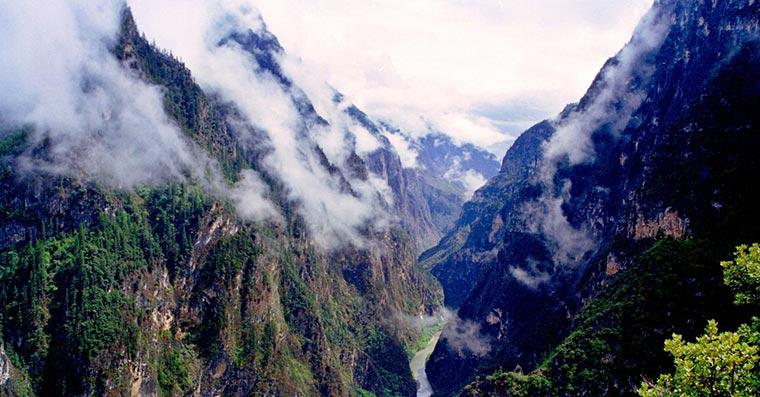
Amazing Balagezong Grand Canyon
6,2,2021 0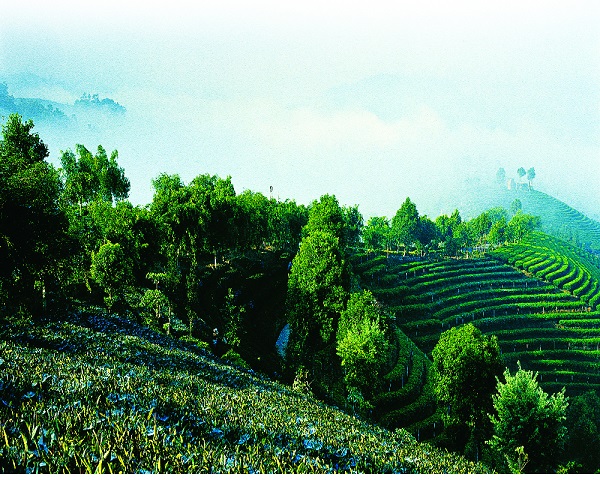
Pu’er Profile
4,5,2016 0