Detailed Introduction to Folk Costumes of Chuxiong
1. Cultural & Geographic Context
Chuxiong lies between Kunming and Dali on the Yunnan plateau. Its terrain includes valleys, terraced slopes, and upland farming areas. These ecological conditions shaped local dress:
Layered garments for temperature variation
Durable cotton and indigo-dyed cloth for agricultural life
Embroidered panels reflecting clan and regional identity
Distinctive festival attire for Torch Festival and weddings
Yi costume in Chuxiong is not uniform — subgroups such as Nanhua, Wuding, Yongren, Dayao, Yao’an, and Shuangbai each preserve recognizable variations.
2. Core Materials & Textile Techniques
Fabrics
Handwoven cotton (most common)
Indigo-dyed cloth
Occasionally wool blends for colder areas
Silk trims for ceremonial garments
Dyeing
Indigo vat dyeing (deep blue/black base cloth)
Plant-based red and yellow dyes (historically)
Modern chemical dyes in contemporary pieces
Decorative Techniques
Hand embroidery (satin stitch, cross-stitch, couching)
Appliqué patchwork
Pleating and layered skirt construction
Silver ornamentation (festival use)
Embroidery is the most technically distinctive feature of Chuxiong costume.
3. Women’s Costume Structure (Yi)
Jacket (上衣)
Short, fitted jacket
Side-fastening or front-opening
Dark base with brightly embroidered cuffs and collar
Skirt (裙)
Pleated or straight long skirt
Bold geometric or floral hem panels
Often layered over underskirts
Apron (围腰)
Highly decorative
Embroidered with geometric motifs
Often indicates marital status or regional subgroup
Headgear
Wrapped headscarves
Embroidered caps in some counties
Colors may indicate age or life stage
Jewelry
Silver earrings
Layered bead necklaces
Occasional silver chest ornaments for weddings
4. Men’s Costume Structure (Yi)
Indigo or black short jacket
Wide trousers
Headwrap or turban
Festival jackets may include embroidered trims
Men’s clothing is generally simpler than women’s, but ceremonial attire becomes more elaborate during festivals.
5. Symbolism & Motifs
Chuxiong Yi embroidery encodes identity and cosmology.
Common motifs include:
Sun and fire patterns — linked to the Yi Fire worship tradition
Ram’s horn spirals — strength and protection
Geometric diamonds — fertility and continuity
Floral patterns — agricultural prosperity
Color symbolism:
Black/indigo = daily life, stability
Red = vitality, celebration
Yellow = harvest and earth
Green = nature and mountains
6. The Torch Festival (火把节)
The Yi Torch Festival is the most important cultural event in Chuxiong.
During the festival:
Full ceremonial costumes are worn
Women display their most intricate embroidery
Silver ornaments are prominently used
Distinct subregional costume differences become visible
Chuxiong hosts one of the largest Torch Festival celebrations in Yunnan.
7. Subregional Variations within Chuxiong
Nanhua & Dayao
Dense embroidery
Brightly colored collar and chest panels
Yongren
Strong geometric hem designs
Heavy pleating
Shuangbai
Slightly lighter palettes
Emphasis on floral embroidery
Wuding
Distinct headwrap styles
Strong contrast color borders
Each county maintains unique stitch patterns and motif arrangements recognizable to locals.
8. Other Ethnic Costumes in Chuxiong
Miao (苗族)
Pleated skirts
Silver headdresses
Batik panels
Lisu (傈僳族)
Bright color bands
Embroidered aprons
Black or deep-blue base garments
Hui (回族)
Conservative religious dress
Skullcaps for men
Modest headscarves for women
These groups form a smaller proportion compared to the Yi majority but contribute to costume diversity.
9. Where to See Authentic Costumes
Best Locations
County festivals
Rural Yi villages
Torch Festival cel
Guide
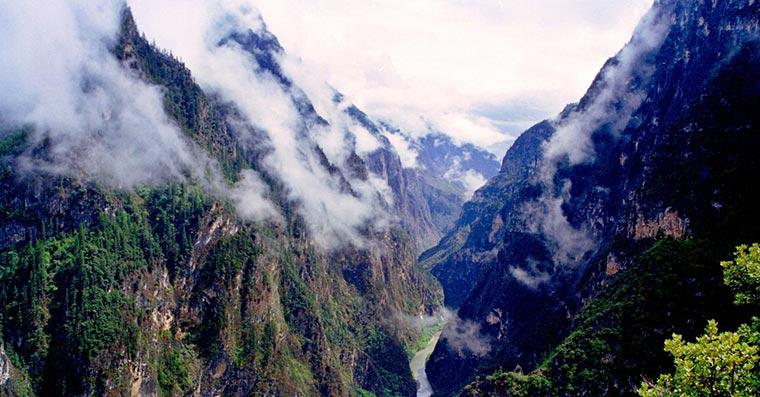
Amazing Balagezong Grand Canyon
6,2,2021 0
Pu’er Profile
4,5,2016 0