Detailed Introduction to Folk Costumes of Pu'er
1. Regional portrait — why Pu’er’s costumes are distinctive
Pu’er’s costume landscape is shaped by:
Tropical–subtropical ecology and tea-mountain livelihoods (tea growers, paddy farmers, forest foragers).
Intense ethnic diversity (Dai, Hani, Bulang, Wa, Lahu, Jingpo, Yi and others), each with distinct dress logics.
Cross-border and Southeast Asian influences especially on Dai clothing forms.
Together these create a region where garments range from bright, silk-based lowland dress to indigo-dyed, heavily embroidered upland festival wear.
2. Core materials & textile techniques (what garments are made of)
Fabrics: cotton and cotton blends (common), hemp/ramie (older pieces), silk (Dai and higher-status items).
Dyes: indigo vat-dyeing (upland groups), natural plant dyes and commercial dyes for bright lowland textiles.
Techniques: hand-weaving, backstrap loom work in older pieces; tie-dye / batik (wax-resist) especially among Dai and some upland groups; dense hand-embroidery, appliqué and brocade for ceremonial Miao/Yi/Jingpo items; silver-smithing for ceremonial jewellery.
Finishes: pleating, patchwork, and layered aprons are common structural treatments.
3. Quick ID key — basic visual cues
Bright silk wrap-skirt + lemongrass/Thai-like motifs → Dai (lowland, river/valley).
Indigo base + geometric embroidery on chest/apron → Yi (upland, indigo tradition).
Dense silver + heavy embroidery + tie-dye panels → Miao-style forms where present (rare here) or Jingpo festival wear.
Simple indigo or black jackets, plain headwraps, minimalist ornament → Bulang / Wa (forest ethnic groups).
Black tunics with red/white trims, distinctive shoulder cloths → Lahu.
4. Major ethnic costume types (summary with typical features)
Dai (傣族)
Where: river valleys, lowland counties (e.g., Menghai/Mengla border areas within Pu’er’s broader region).
What: Pha sin (tube skirt/wrap skirt) for women, light silk or cotton blouses, shoulder sashes; men wear loose shirts and trousers.
Decoration: bright colours, ikat-like patterns, floral motifs, sometimes gold/silver thread.
Accessories: beadwork, small silver pieces, sometimes woven headscarves.
Uses: Water-Splashing Festival, temple ceremonies, weddings.
Hani (哈尼)
Where: terraced tea/mountain hamlets (Hani communities across Jingmai/other tea mountains).
What: layered skirts or wrap skirts, embroidered jackets or simple indigo jackets; headgear varies by sub-group—scarves, turbans or embroidered caps.
Decoration: embroidery concentrated on collars, cuffs and apron bands; stylised natural motifs (birds, clouds).
Uses: Hani New Year, harvest rites, communal rituals (e.g., terrace ceremonies).
Bulang (布朗族)
Where: deep-forest tea villages and terraces.
What: sober, practical clothing—dark indigo or black jackets, simple wrap skirts or trousers.
Decoration: minimal embroidery; emphasis on hand-woven cloth and practical design.
Accessories: simple silver or brass pieces on festive garments.
Character: understated, reflecting forest-dwelling tea culture.
Wa (佤族)
Where: forested, often more remote villages.
What: traditionally coarse cloth garments, now often indigo/black jackets and skirts.
Decoration & Use: tribal patterns, banded hems; festive dress for ritual dances. Wa headgear and sometimes body ornamentation are notable at festivals.
Lahu (拉祜族)
Where: upland villages and ridges.
What: black tunics with red shoulder or collar trim; women sometimes wear embroidered aprons or sashes.
Decoration: geometric embroidered bands; simpler than Jingpo or Miao.
Uses: harvest festivals, weddings.
Yi (彝族)
Where: upland and transitional zones; Yi communities exist throughout Pu’er peripheries.
What: indigo/black jackets, pleated skirts or wrap skirts for women; men’s festival jackets and headwraps.
Decoration: embroidered chest panels, appliqué and woven trim; color accents for festive dress (red/yellow).
Symbolism: stitch motifs often mark sub-ethnic identity.
Jingpo (景颇族)
Where: pockets near borders/forest edges.
What: festival costumes are highly decorative—wrap skirts, embroidered jackets and sometimes brass/silver ornaments.
Decoration: bold geometric motifs and appliqué; headgear used in ceremonies.
Hui & Ha
Guide
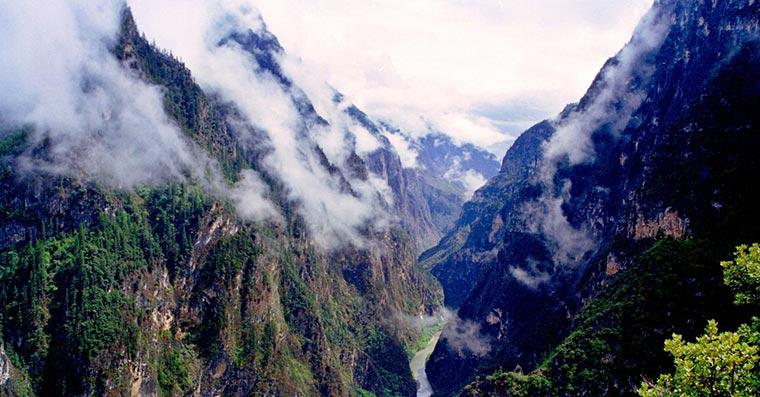
Amazing Balagezong Grand Canyon
6,2,2021 0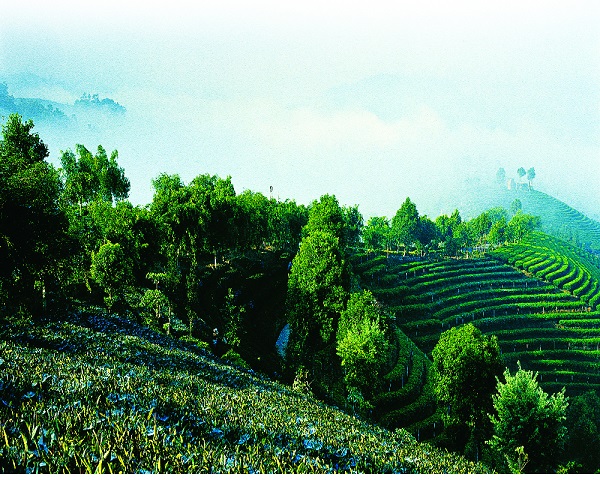
Pu’er Profile
4,5,2016 0