Detailed Introduction to Folk Costumes of Yuxi
1. Quick regional portrait
Yuxi sits on the central Yunnan plateau and contains a mix of Han, Yi, Dai, Hui, Hani, Miao and smaller groups. Folk dress here is a living mixture of:
highland (Yi, Miao, Hani) practical garments (wool/cotton, layered, darker indigo bases), and
lowland/tropical (Dai) lightweight, brightly colored textiles with Southeast Asian affinities.
Clothing functions: everyday wear (historically), ceremonial/festival dress, and social/ethnic identity. Today most traditional outfits appear on special occasions, in rural villages, and in museum/heritage contexts.
2. Key textile techniques & materials you’ll encounter
Indigo dyeing & vat-dye cloth — common dark-blue base for many Yi garments.
Embroidery — dense, decorative panels on collars, cuffs and apron fronts (hand-embroidery with floral, geometric motifs).
Batik / wax-resist & tie-dye — used by some Miao and Dai subgroups for skirts and headwear.
Brocade & silk trims — special-occasion edging sourced or woven from finer yarns.
Hand-weaving (ramie/ hemp / cotton) — local weavers produce everyday cloth.
Silver and metalwork — mainly Miao ceremonial headdresses and necklaces; smaller silver items appear in Yi festive wear.
3. Yi (彝族) costumes — the dominant minority style in the region
What to look for
Base color: indigo / deep blue or black cloth as everyday base; red or yellow trim for festive pieces.
Silhouette: short or mid-length jackets (often square-shouldered) with layered pleated skirts or straight skirts for women; loose trousers and short jackets for men.
Decor: broad embroidered chest panels, appliqué bands at skirt hems, and geometric motifs (meanders, stepped diamonds).
Headgear: women’s caps or wrapped scarves; older women often wear distinct headdresses indicating age/marital status.
Occasions: Torch Festival (火把节), weddings, ancestor rites — full festive costume includes embroidered apron, extra ornament and sometimes silver.
Cultural notes
Yi embroidery motifs are region-specific; stitch types and motif sets can identify a county or even a village. In Yuxi counties (e.g., Eshan) you will find local variants still worn at festivals.
4. Dai (傣族) costumes — lowland, tropical, bright and fluid
What to look for
Fabrics & cut: lightweight silk or cotton; wrap-around skirts (long tubular skirts) for women and loose shirts for men.
Colors: bright — greens, yellows, pinks — and floral or ikat-like patterns.
Accessories: simple silver or bead jewelry; sometimes a shoulder cloth or sash.
Distinctive practices: women may wear single-shoulder or sleeveless jackets in some local styles; garments are easy to spot by their bright palettes.
Occasions: Water-Splashing Festival (泼水节), weddings, temple ceremonies.
Cultural notes
Dai dress in Yuanjiang / Xinping areas shows clear Southeast Asian influence — fragrant herbs, banana-leaf cooking and similar material culture complement the costume tradition.
5. Miao (苗族) and other upland minorities — richly decorated ceremonial wear
What to look for
Heavy embroidery & silverwork: festival wear often features multi-panel skirts, dense embroidery, and prominent silver headdresses/necklaces.
Tie-dye & batik: indigo backgrounds and resist patterns for skirts and headwraps.
Layering: several aprons and embroidered sashes worn together.
Occasions: New Year festivals, weddings — full regalia is elaborate and intentionally spectacular.
Cultural notes
Miao groups in Yuxi adapted styles from migration routes; local Miao dress often differs from Guizhou standards — look for specific headwrap styles and apron shapes.
6. Hui (回族) and Han traditional features in Yuxi
Hui: in towns you’ll still see traditional modest caps for men and embroidered scarves for women on religious occasions; halal identity often marked by conservative dress rather than bright ornament.
Han: Han folk wear in Yuxi (older generations) includes embroidered aprons, kerchiefs and festival jackets; these survive in ceremonial contexts rather than daily life.
7. Common motifs & symbolic language
Floral & plant motifs: fertility, agricultural bounty.
Sun / moon / animal icons: protection and clan myths (often stylized).
Geometric patterns: lineage/identity marks — repeated diamonds, spirals and stepped motifs.
Col
Guide
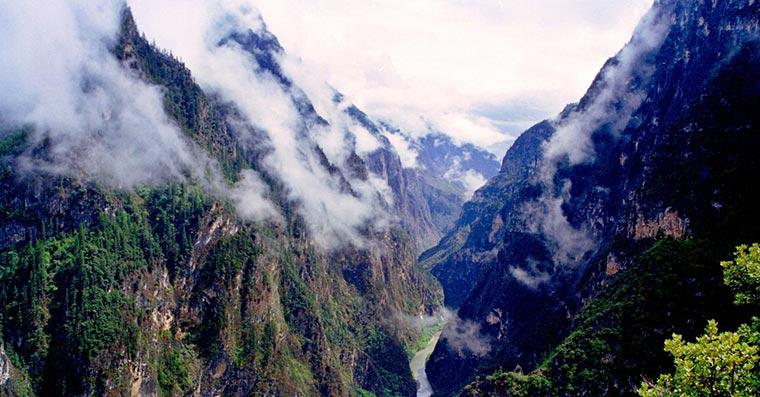
Amazing Balagezong Grand Canyon
6,2,2021 0
Pu’er Profile
4,5,2016 0