Detailed Introduction to Local Dishes of Diqing
1. Culinary Overview
Diqing Prefecture, located in northwestern Yunnan on the southeastern edge of the Tibetan Plateau, is best known internationally through Shangri-La City. Its cuisine is deeply shaped by high-altitude geography, cold climate, and Tibetan cultural traditions, resulting in food that emphasizes high energy, strong flavors, and natural ingredients.
Diqing cuisine is predominantly Tibetan, with influences from Naxi, Lisu, Han, and neighboring Tibetan regions of Sichuan and Tibet. Cooking methods favor boiling, stewing, roasting, and air-drying, preserving nutrients and adapting to plateau living conditions.
2. Core Ingredients and Flavor Profile
Key Ingredients
Yak meat and yak dairy (butter, cheese)
Highland barley (qingke)
Potatoes and turnips
Wild mushrooms and herbs
Tibetan chili, garlic, and salt
Flavor Characteristics
Savory and hearty
Mildly salty, sometimes buttery
Less oily than Sichuan cuisine
Spices used for warmth rather than heat
3. Signature Dishes and Foods
🥩 Yak-Based Dishes
Yak Meat Hot Pot (牦牛肉火锅)
A signature winter dish using fresh or air-dried yak meat simmered with herbs and vegetables. The broth is rich yet clean, reflecting plateau simplicity.
Air-Dried Yak Meat (风干牦牛肉)
Naturally cured in cold, dry mountain air. Chewy, intensely flavorful, and often eaten sliced thin as a snack or appetizer.
🌾 Staple Foods
Tsampa (糌粑)
Made from roasted highland barley flour, mixed with butter tea or water. Tsampa is the cornerstone of Tibetan daily diet—portable, filling, and symbolic of Tibetan identity.
Highland Barley Pancakes (青稞饼)
Pan-fried or baked, sometimes stuffed with cheese or served with honey.
🧈 Dairy & Beverages
Butter Tea (酥油茶)
A traditional drink made from brick tea, yak butter, and salt. It provides warmth and calories essential for high-altitude life and is offered to guests as a sign of hospitality.
Yak Milk Cheese (曲拉 / 奶渣)
Naturally fermented and dried, often eaten with sugar or tsampa.
🍲 Household & Festive Dishes
Tibetan Stewed Potatoes (藏式炖土豆)
Simple yet comforting, cooked with yak fat, onions, and local spices.
Blood Sausage (藏式血肠)
Made with yak or pork blood, rice, and spices; commonly served during festivals or family gatherings.
4. Ethnic and Regional Variations
Shangri-La City: Most representative Tibetan dishes, widely adapted for visitors
Deqin County: Stronger Tibetan flavors, closer to traditional plateau cooking
Weixi County: Tibetan cuisine blended with Lisu and Naxi techniques, lighter and more herbal
5. Food Culture and Social Meaning
Food in Diqing is closely tied to religion, hospitality, and seasonal cycles:
Meals often begin with butter tea
Tsampa is used in religious rituals and festivals
Dishes emphasize sharing and communal eating
Eating is not just nourishment but a reflection of respect for nature, animals, and ancestral traditions.
6. Culinary Identity in Yunnan Context
Within Yunnan’s diverse food landscape, Diqing cuisine stands apart for its:
Plateau-adapted nutrition
Minimal processing
Strong cultural symbolism
Tibetan Buddhist influence
It represents the highland soul of Yunnan gastronomy.
Guide
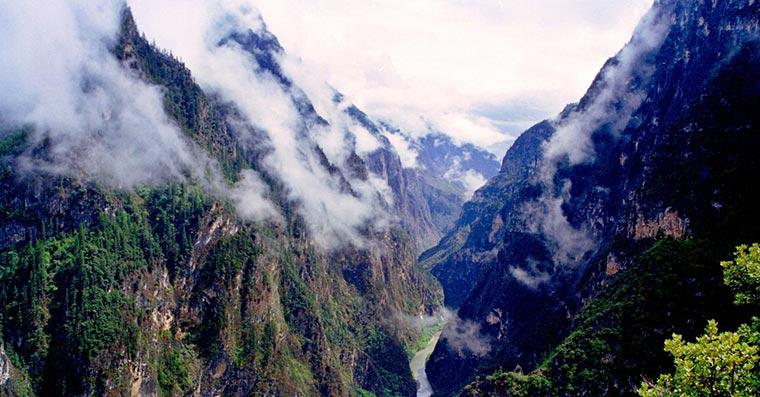
Amazing Balagezong Grand Canyon
6,2,2021 0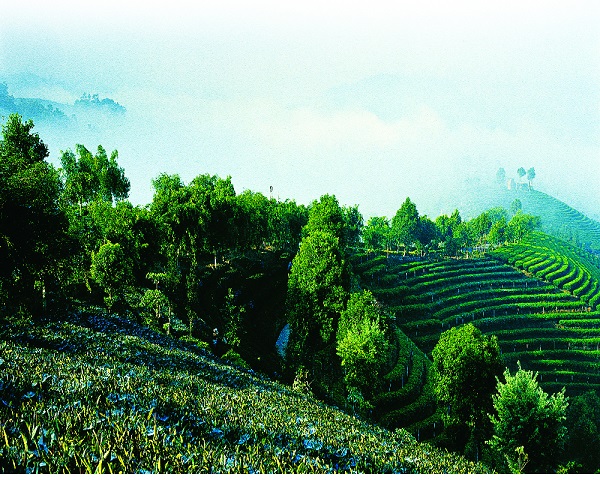
Pu’er Profile
4,5,2016 0